Instructor Hub
Syllabi, slides, and labs for teaching with MLSysBook.
Getting started
Each course below states what it requires and links to its syllabus, slides, and hands-on materials. All of the materials are free to use, and the license page lists the license for each.
How the materials fit together
Each course combines the same open materials. The textbook supplies the weekly readings, and the other materials turn each reading into a lecture, an experiment, or a build.
| Material | Role in a course | Used in |
|---|---|---|
| Textbook | The weekly readings | Every course |
| Slides | A lecture deck for each chapter | Every course |
| Labs | Browser-based experiments that pair with the chapters | Introduction, Scaling, Physical AI |
| TinyTorch | A framework that students build one module at a time | Introduction |
| Hardware kits | Deployment on real boards | TinyML, Edge AI |
| MLSys·im | The simulator that runs the labs | Introduction, Scaling |
| StaffML | Practice questions tagged by chapter | Any course |
Each syllabus below shows one way to arrange these materials week by week.
Courses
Introduction to Machine Learning Systems
Scaling Machine Learning Systems
Agentic Machine Learning Systems
Volume III · In preparation
Students study the systems that run AI agents: models that plan over many steps, keep memory, call tools, and recover from failures. These materials are still in preparation for teaching in the next semester or year, so they will change as the course takes shape.
Requires: not yet specified.
Physical AI
Volume IV · Draft course plan
Students train a robot policy and test it against physical limits in a proposed hardware studio, and the syllabus lists what staff must check before teaching it. These materials are still in preparation for teaching in the next semester or year, so they will change as the course takes shape.
Requires: one robot station per team. The syllabus lists the parts.
Course · Syllabus · Slides · Studio labs
Edge AI
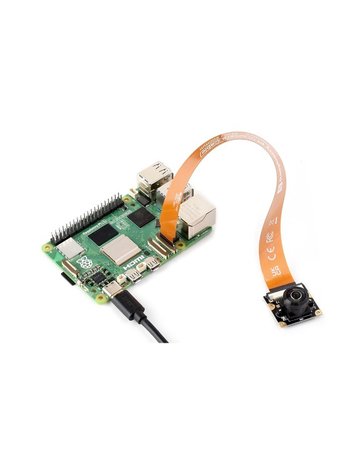
Volume I · Learning path
Students deploy models on Linux edge devices, reading Volume I alongside the Raspberry Pi kit and its companion book.
Requires: one Raspberry Pi per student or team, from about $60 for a Raspberry Pi 5. The reading list gives the options.
TinyML
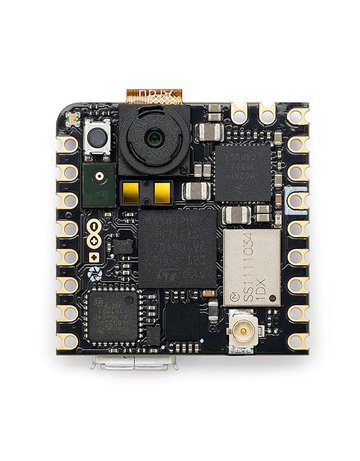
Volume I · Historical materials
Students train models and deploy them on microcontrollers. The materials come from earlier Harvard offerings, with their assignments and example projects.
Requires: one microcontroller board per student or team, from about $25. The syllabus lists the options and prices.
Course · Syllabus · Slides · Hardware kits
Sequences and other courses
The introductory and scaling courses can run back to back as a two-semester sequence. The course catalog lists courses at other schools, and the community forum answers questions about teaching with the book.